Sign In to Your Account
Subscribers have complete access to the archive.
Sign In Not a Subscriber?Join NowAbsolutely Hollywood
Editor's Letter
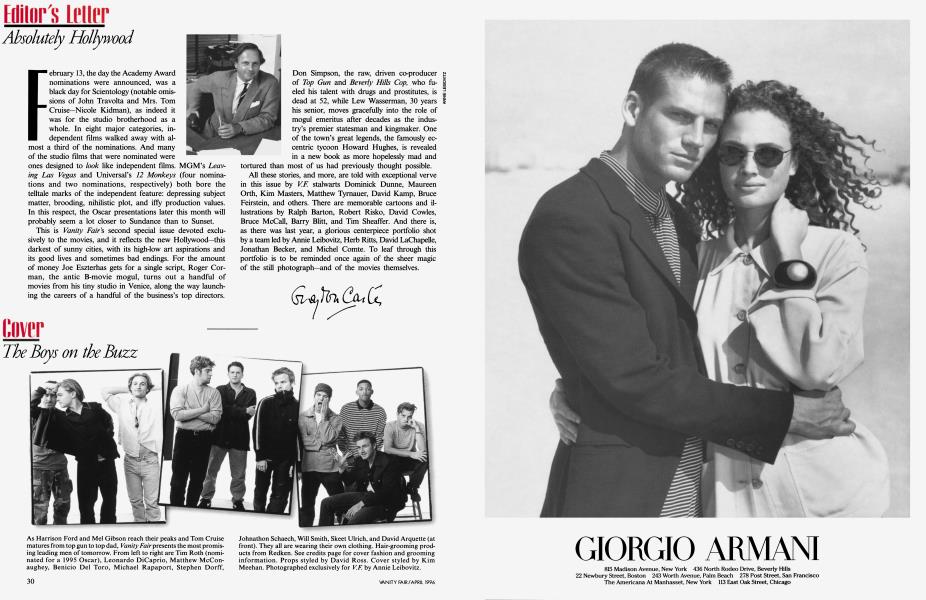
February 13, the day the Academy Award nominations were announced, was a black day for Scientology (notable omissions of John Travolta and Mrs. Tom Cruise—Nicole Kidman), as indeed it was for the studio brotherhood as a whole. In eight major categories, independent films walked away with almost a third of the nominations. And many of the studio films that were nominated were ones designed to look like independent films. MGM’s Leaving Las Vegas and Universal’s 12 Monkeys (four nominations and two nominations, respectively) both bore the telltale marks of the independent feature: depressing subject matter, brooding, nihilistic plot, and iffy production values. In this respect, the Oscar presentations later this month will probably seem a lot closer to Sundance than to Sunset.
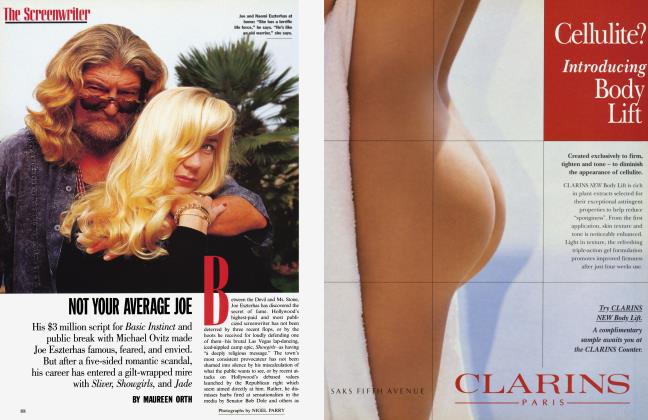
This is Vanity Fair’s second special issue devoted exclusively to the movies, and it reflects the new Hollywood—this darkest of sunny cities, with its high-low art aspirations and its good lives and sometimes bad endings. For the amount of money Joe Eszterhas gets for a single script, Roger Corman, the antic B-movie mogul, turns out a handful of movies from his tiny studio in Venice, along the way launching the careers of a handful of the business’s top directors.
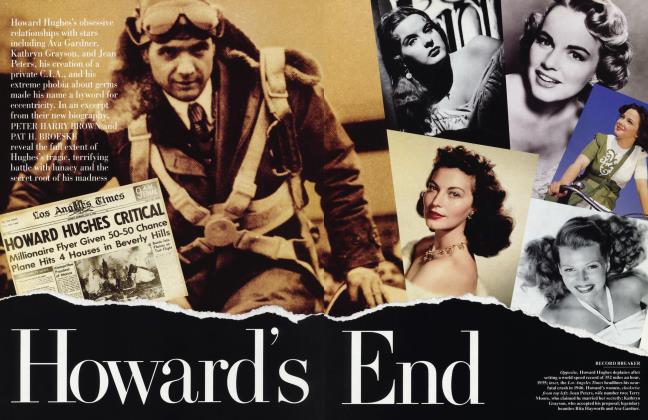
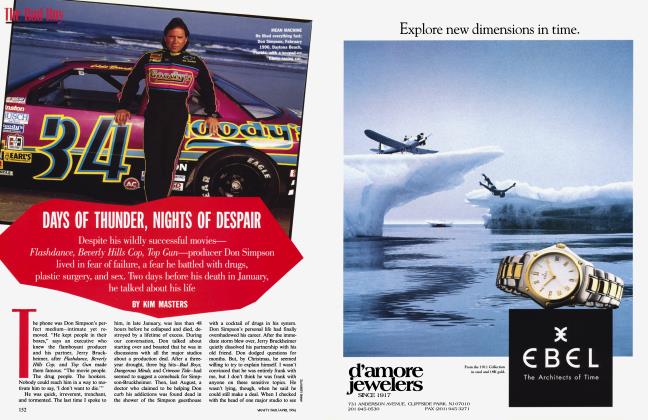
Don Simpson, the raw, driven co-producer of Top Gun and Beverly Hills Cop, who fueled his talent with drugs and prostitutes, is dead at 52, while Lew Wasserman, 30 years his senior, moves gracefully into the role of mogul emeritus after decades as the industry’s premier statesman and kingmaker. One of the town’s great legends, the famously eccentric tycoon Howard Hughes, is revealed in a new book as more hopelessly mad and tortured than most of us had previously thought possible.
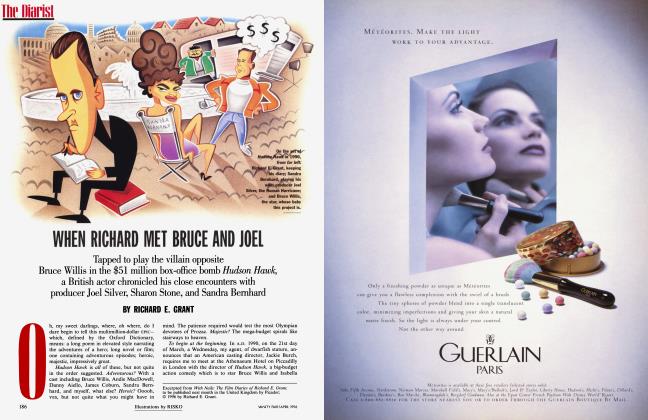
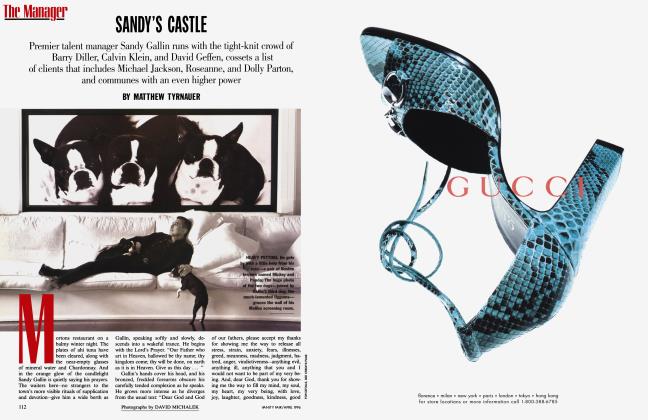
All these stories, and more, are told with exceptional verve in this issue by V.F. stalwarts Dominick Dunne, Maureen Orth, Kim Masters, Matthew Tymauer, David Kamp, Bruce Feirstein, and others. There are memorable cartoons and illustrations by Ralph Barton, Robert Risko, David Cowles, Bruce McCall, Barry Blitt, and Tim Sheaffer. And there is, as there was last year, a glorious centerpiece portfolio shot by a team led by Annie Leibovitz, Herb Ritts, David LaChapelle, Jonathan Becker, and Michel Comte. To leaf through this portfolio is to be reminded once again of the sheer magic of the still photograph—and of the movies themselves.
Subscribers have complete access to the archive.
Sign In Not a Subscriber?Join Now